
World Wildlife Day
It’s World Wildlife day today! It gives us the opportunity to celebrate wildlife and encourages us to get outside and enjoy it! Many of us may have largely stayed indoors over the cold Winter months and this period also marks absence of much of our wildlife too. During the colder months, food becomes scarce and more energy is required to keep warm. Though some species tough it out, many others have found fascinating solutions to bypass it. Now at the onset of Spring, many animals and plants suddenly explode into life! In this blog, I will discuss where much of our local wildlife has been. All of which can be seen at Englefield Green!
Hibernation
One way to combat Winter is to sleep through it. Sleep to us is vital as it helps us to recover our energy and health after a long day's work. Some animals take this period of inactivity much further and last throughout Winter though unlike for us, this is not restful. It is known as hibernation, and to do this, they need to conserve as much energy as possible.
Hibernation is defined as entering a state where normal metabolic rates are reduced to less than 5 percent, and for that to happen, sacrifices are needed. For instance, retaining a warm blooded mammal’s body heat is remarkably expensive, so a hibernating mammal would cool their internal body heat between 5 and 10 degrees celsius. Their heart rate and breathing may slow down as much as 90%.
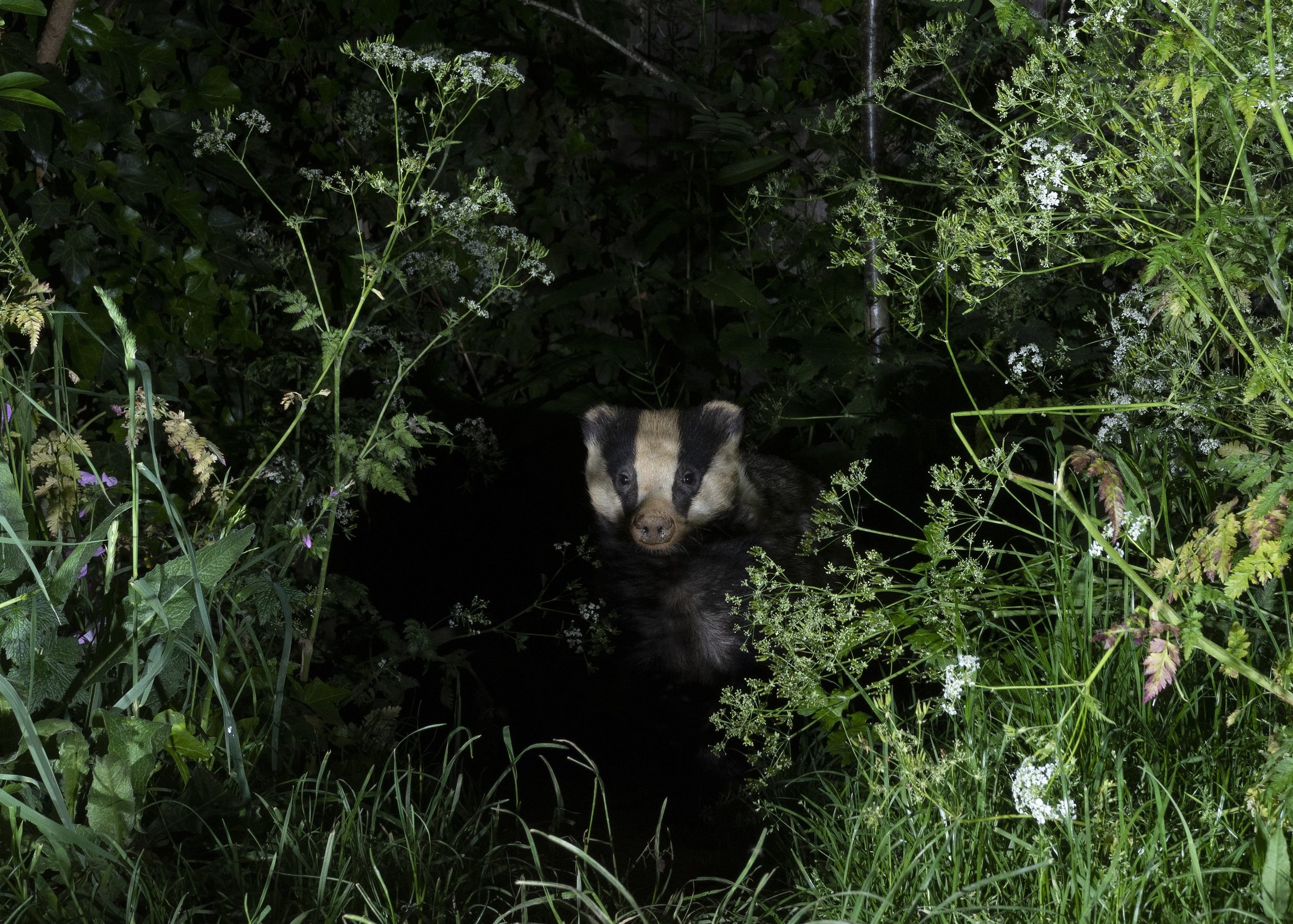
Such a method takes a huge toll on one’s body as it consumes vast amounts of reserves. Some animals, such as Badgers may wake up intermittently through Winter to go foraging and replenish reserves. This is known as Torpor - a lesser form of hibernation. During hibernation, animals do not typically eat and it consumes vast amounts of bodily reserves.
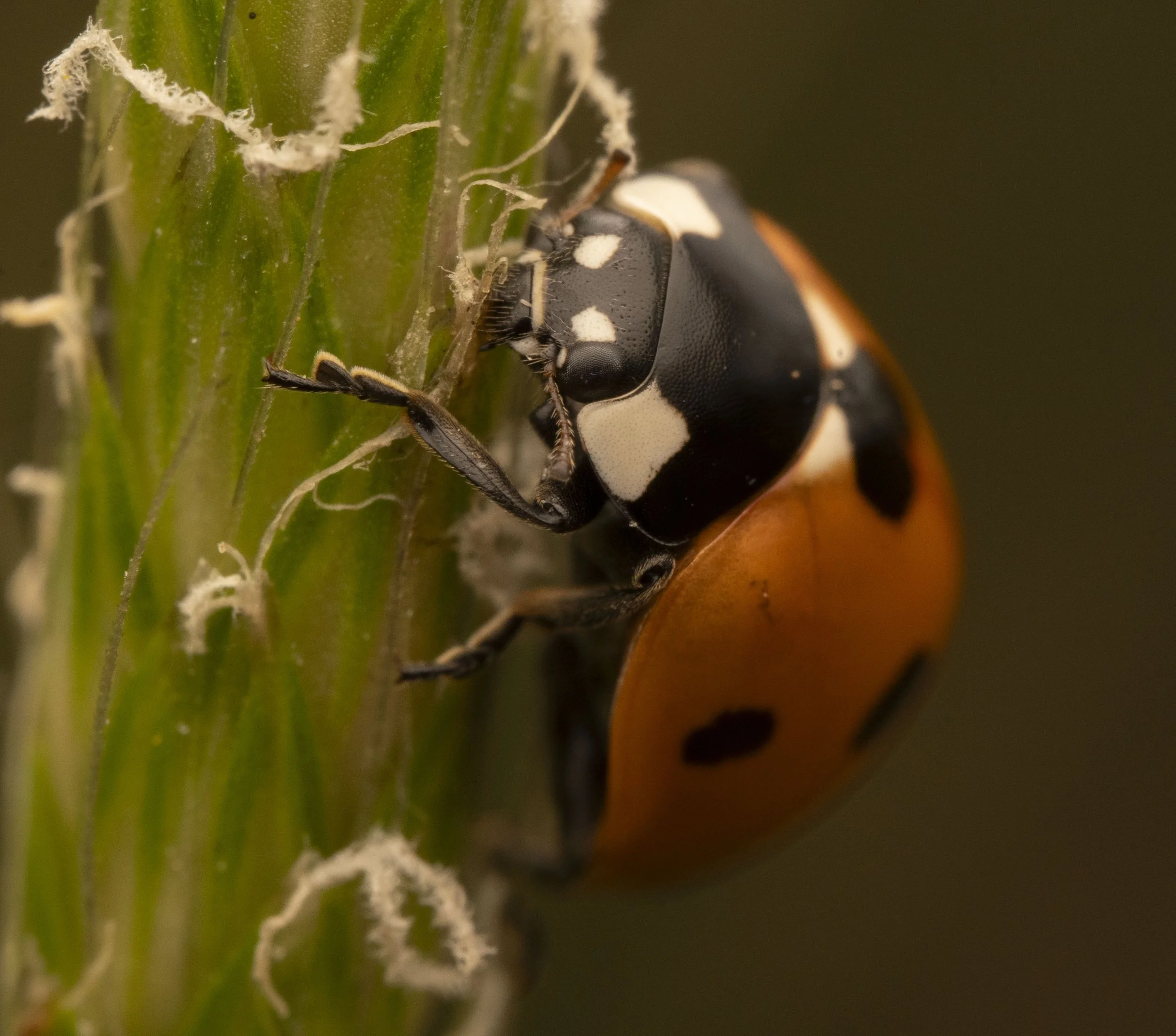
Examples of British wildlife that hibernate include dormice, hedgehogs, bats, reptiles and amphibians. Even some insects hibernate such as bumblebees, ladybirds and butterflies. They gorge themselves during the Autumn to put on as much as 50% body weight before trying to find a safe place to hibernate.
You may have spotted ladybirds taking residence in your house, or a butterfly hiding in your shed for instance. Likewise, hedgehogs or amphibians may try to hide in piles of vegetation (such as bonfire mounds) so don’t clear these up in Winter! Try not to disturb them if you find one, as waking them up early exhausts so much energy they may not survive.
Migration
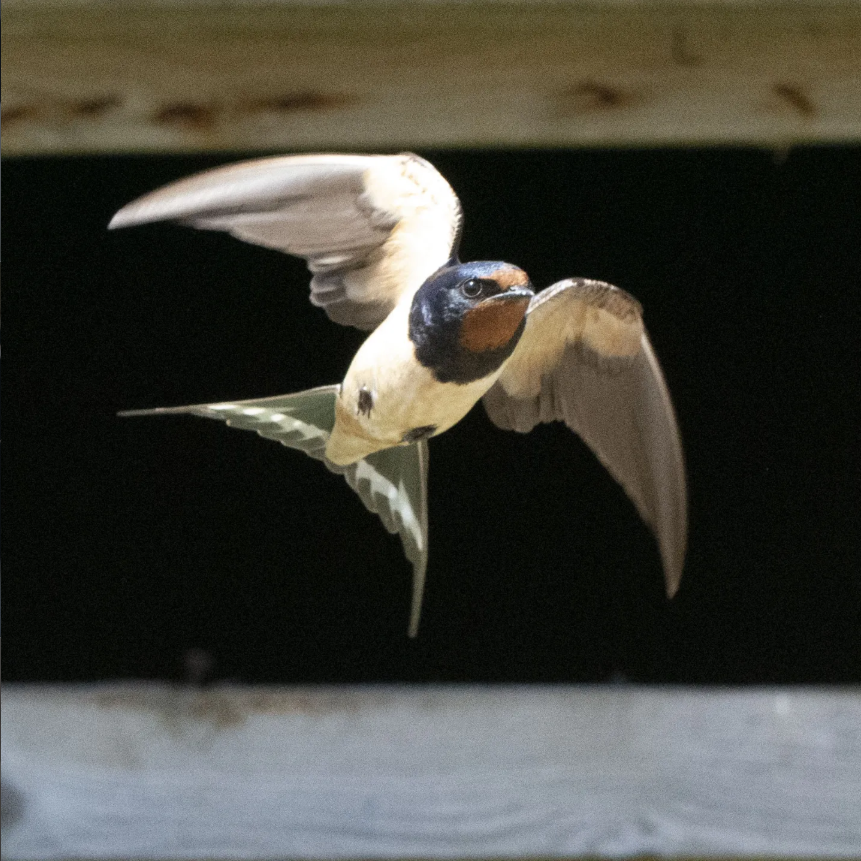
Some species avoid the Winter entirely by migrating to warmer countries. Swallows for example have a diet of aerial insects which are lacking in the UK during Winter, so they travel all the way to Sub Saharan Africa to get them. A journey of more than 6000 miles and taking approximately 6 weeks! That's impressive for a bird that weighs around 25 grams!
We obtain this migratory information from ringing. This is where a bird is captured, then its leg is fitted with a small aluminium ring that contains a specific code detailing when and where it was captured. Should that bird be caught again, it will tell us where it has come from, and the distance it has travelled. A similar method can be applied to bats. The Nathusius Pipistrelle - the UK’s main migratory bat, was recorded to have migrated from London to Russia, a distance of 2000km. They only weigh 16g!
Perhaps even more impressive comes from that of an insect. The Painted Lady Butterfly migrates to North Africa in Autumn, flying at an altitude of 500 metres and capable of travelling at speeds of 30 mph. Considering they weigh less than a gram, you wonder how they achieve this feat at all! But they differ to birds in that the full migration is completed by multiple generations of butterflies. The Painted Ladies that migrate to Britain breed then die off, leaving their offspring to make the journey back.

Similarly to the hibernators, migrating birds need to put on as much as 40% extra weight to make the journey. Thankfully Summer is when insect numbers peak which enables them to achieve this. And with Painted lady butterflies, their caterpillars fill themselves up on the abundance of Summer plants such as thistles before metamorphosing into the adult. The fat obtained as a caterpillar is then used for the migration.
Spring Flowers
Plants can struggle in Winter as well, as their leaves are vulnerable to freezing, and the reduced hours of daylight stunts their growth. The lack of insect pollinators means there is little point in producing flowers, so most plants fall dormant during Winter. As you know, most deciduous trees lose their leaves in Winter for this reason, and this can work in other plants' favour as it allows light to reach the forest floor. There is a race in early Spring to take full advantage of this, and they have interesting ways to exploit it.
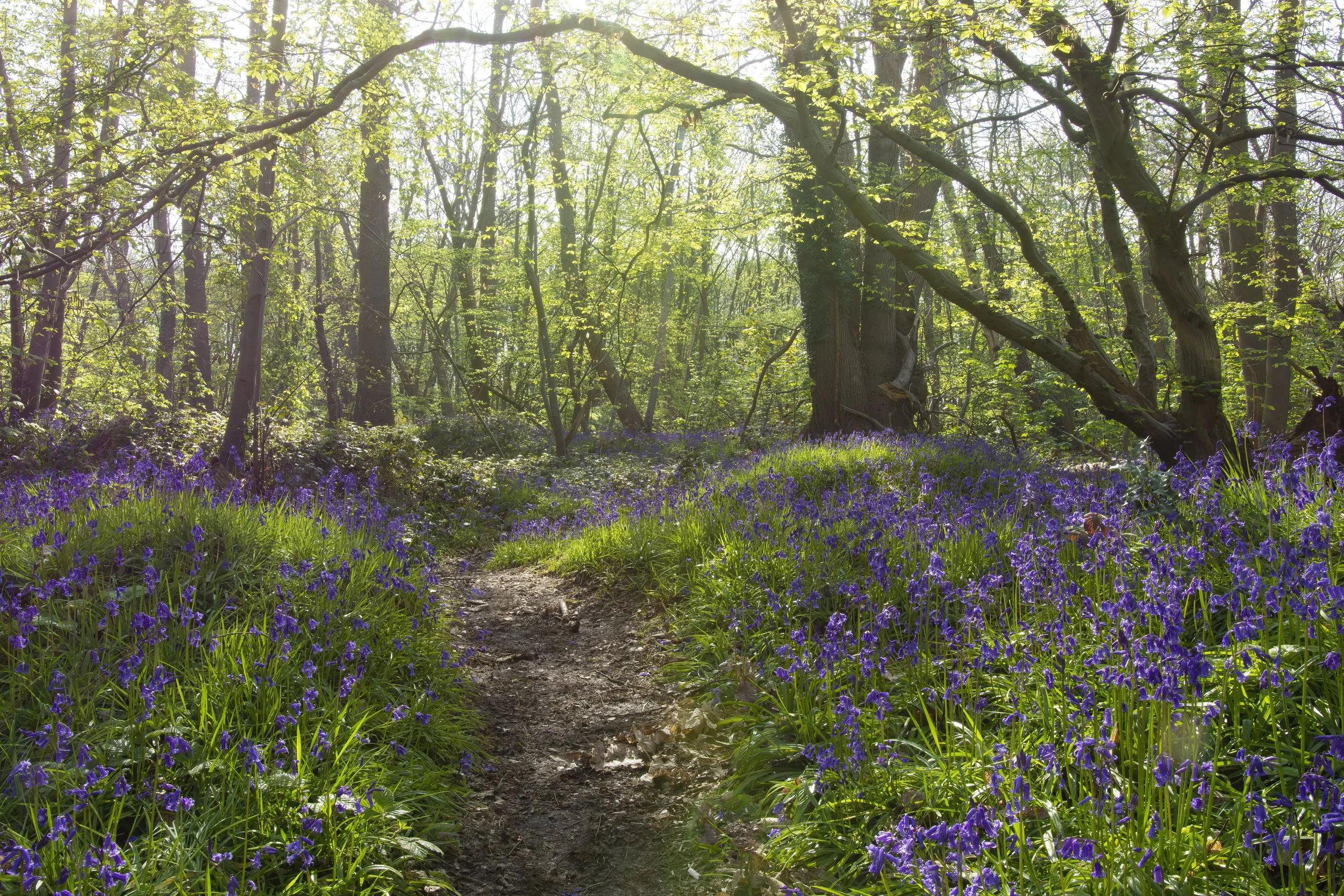
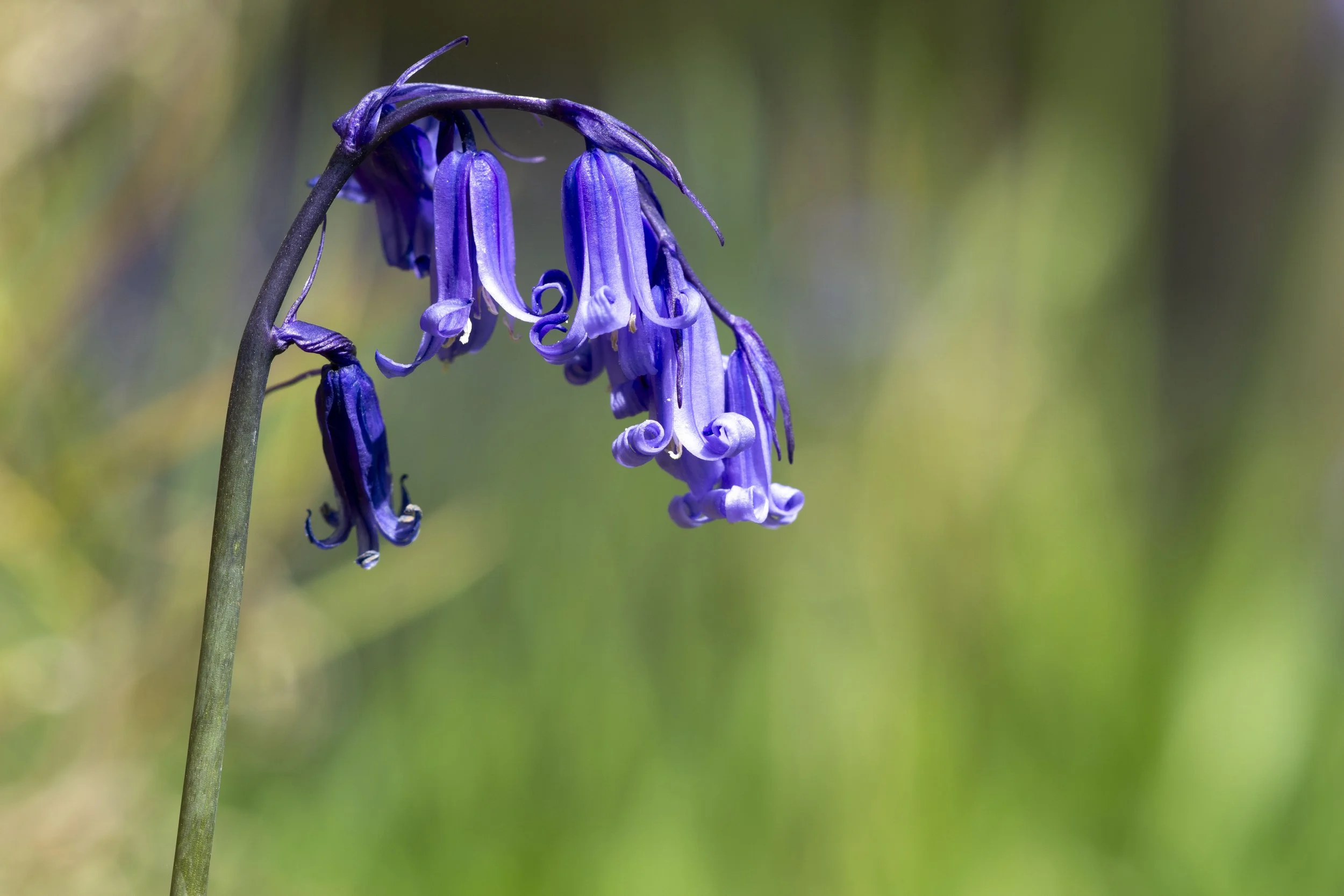
Bluebells are likely to be the most famous due to the dense blue carpets of flowers they produce over the forest floor, making it a top British spectacle! They store energy in bulbs throughout the year that they then draw upon in Winter to fuel their growth so that it's ready for Spring. Growing so early in the year makes it liable to frost, so they are able to push their bulbs deeper into the ground via their roots which helps protect it. However, this has an additional problem of having to grow more to reach the surface, but they have a solution to this too! Their spear shaped leaves can push through the soil and dead vegetation more easily, and they even elongate existing cells to grow as opposed to duplicating them to save energy.
Climate Change
Fascinating though all these methods may be, these species are unfortunately under threat from climate change. With warmer temperatures, animals may wake up earlier than intended and find that there is still little food for them. Birds are returning from migration sooner, and some are becoming residential and may not migrate at all. There were even records of a few swallows staying in the UK this Winter! Bluebells and other Spring flowers may start growing too early to properly exploit the pollinating insects, thereby reducing opportunities to reproduce.
In order to acquire this data, Scientists use wildlife records submitted by the public. This is crucial in determining the effects of climate change on hibernating and migrating animals as well as emerging plants. It can also help in calculating population trends. It affects so much of our wildlife, much more than the few mentioned on this blog.
Thankfully, it is very easy to submit a record. Just download an app such as iRecord to submit the photo of the species you found and when and where it was found. If you are less confident with your species identification skills, iNaturalist uses the photos submitted to receive the opinion of an expert to confirm your species submission.
It would be great if you could get involved as not only would you be helping wildlife, you get to be outdoors and enjoy nature!
